Skip to Content
UPEN Annual Conference 2026

In Evidence We Trust, 29-30 June

The use of research evidence in policymaking is becoming increasingly complicated by questions around trust in evidence. Join us for our annual conference to explore what this means for academic-policy engagement.

Apply for a place
In partnership with UCL, sponsored by UCL Public Policy

Keynote speakers and panellists

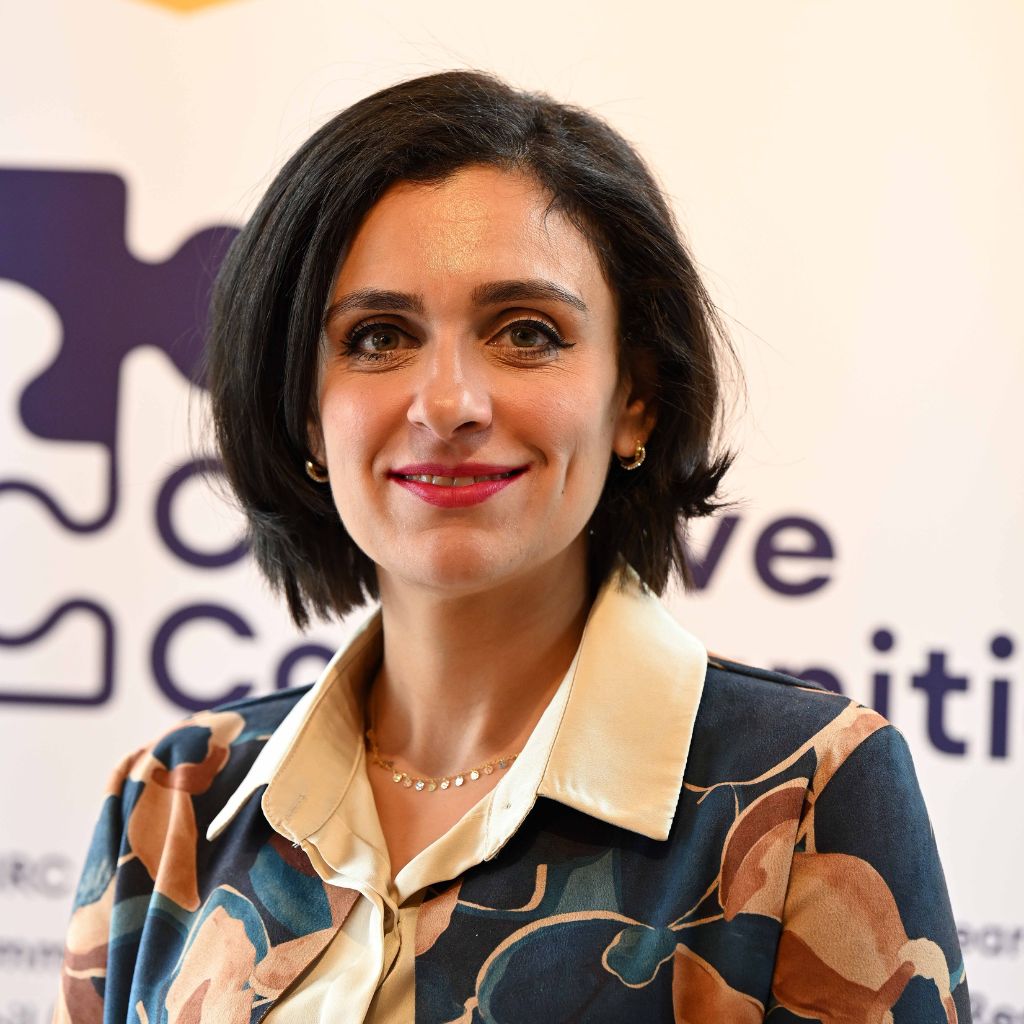
Panellist – A Global Perspective on Trust Dr Anastasia Deligkiaouri
Policy Analyst, Joint Research Centre, European Commission

Anastasia Deligkiaouri (PhD) is a policy analyst at Joint Research Centre and in charge of the Learning and Development activities of Unit S2 on ‘Science for Democracy and Public Governance and Administration’. She works as a country desk officer for Cyprus and Ireland (and previously for Greece) on Technical Support Instrument projects (TSI) on the topic of Evidence Informed Policymaking and Capacity Building. She has delivered several seminars and capacity building workshops on Science for Policy and Evidence Informed Policymaking both to scientists and policymakers. Anastasia holds a PhD in Public Law and Political Science and she is an experienced lecturer and researcher. Before joining the JRC, she has worked as an academic and researcher for over 15 years in Greece, UK and Ireland in the area of Political science with emphasis on European studies, Policy analysis, Democracy and Deliberation. Her work is published in academic journals and books.

Dr Anastasia Deligkiaouri
image description
image description
Panellist – A Global Perspective on Trust

Dr Anastasia Deligkiaouri

Policy Analyst, Joint Research Centre, European Commission
Anastasia Deligkiaouri (PhD) is a policy analyst at Joint Research Centre and in charge of the Learning and Development activities of Unit S2 on ‘Science for Democracy and Public Governance and Administration’. She works as a country desk officer for Cyprus and Ireland (and previously for Greece) on Technical Support Instrument projects (TSI) on the topic of Evidence Informed Policymaking and Capacity Building. She has delivered several seminars and capacity building workshops on Science for Policy and Evidence Informed Policymaking both to scientists and policymakers. Anastasia holds a PhD in Public Law and Political Science and she is an experienced lecturer and researcher. Before joining the JRC, she has worked as an academic and researcher for over 15 years in Greece, UK and Ireland in the area of Political science with emphasis on European studies, Policy analysis, Democracy and Deliberation. Her work is published in academic journals and books.
Panellist – A Global Perspective on Trust Dr David Phipps
Assistant VP Research Strategy & Impact York University, Network Director Research Impact Canada

Dr. Phipps is the administrative lead for all research and innovation programs and their impacts on local and global communities at York University (Toronto, Canada). He has received honours and awards from York University, the Canadian Association of Research Administrators, Society for Research Administration International, Institute for Knowledge Mobilization, International Network of Research Management Societies and the EU based Knowledge Economy Network. He received the Queen Elizabeth II Diamond Jubilee Medal for his work in knowledge mobilization and research impact and was named the most influential knowledge mobilizer in Canada. He sits on knowledge mobilization committees around the world and is Network Director for Research Impact Canada.

Dr David Phipps
image description
image description
Panellist – A Global Perspective on Trust

Dr David Phipps

Assistant VP Research Strategy & Impact York University, Network Director Research Impact Canada
Dr. Phipps is the administrative lead for all research and innovation programs and their impacts on local and global communities at York University (Toronto, Canada). He has received honours and awards from York University, the Canadian Association of Research Administrators, Society for Research Administration International, Institute for Knowledge Mobilization, International Network of Research Management Societies and the EU based Knowledge Economy Network. He received the Queen Elizabeth II Diamond Jubilee Medal for his work in knowledge mobilization and research impact and was named the most influential knowledge mobilizer in Canada. He sits on knowledge mobilization committees around the world and is Network Director for Research Impact Canada.
Panellist – Is Evidence Facing a Trust Crisis? Hannah Russell
Chief Executive, British Science Association

Hannah Russell is Chief Executive at the British Science Association, a national charity that works with partners across the UK to bring people and science together in ways that drive inclusion, skills and innovation. Hannah originally trained as a science teacher and has over 20 years’ experience across science education and engagement. Alongside her current role, she has worked for Wellcome, the Biochemical Society, and prior to her current role was Chief Executive at the Association for Science Education. As well as their involvement with the Public Attitudes to Science Survey, the British Science Association leads several flagship public engagement programmes, including British Science Week, the British Science Festival, The Ideas Fund and the CREST Awards. They provide the Secretariat for the All-Party Parliamentary Group on diversity and inclusion in STEM and have recently taken on hosting EDIS – a coalition of organisation focused on EDI in Science and Health.

Hannah Russell
image description
image description
Panellist – Is Evidence Facing a Trust Crisis?

Hannah Russell

Chief Executive, British Science Association
Hannah Russell is Chief Executive at the British Science Association, a national charity that works with partners across the UK to bring people and science together in ways that drive inclusion, skills and innovation. Hannah originally trained as a science teacher and has over 20 years’ experience across science education and engagement. Alongside her current role, she has worked for Wellcome, the Biochemical Society, and prior to her current role was Chief Executive at the Association for Science Education. As well as their involvement with the Public Attitudes to Science Survey, the British Science Association leads several flagship public engagement programmes, including British Science Week, the British Science Festival, The Ideas Fund and the CREST Awards. They provide the Secretariat for the All-Party Parliamentary Group on diversity and inclusion in STEM and have recently taken on hosting EDIS – a coalition of organisation focused on EDI in Science and Health.
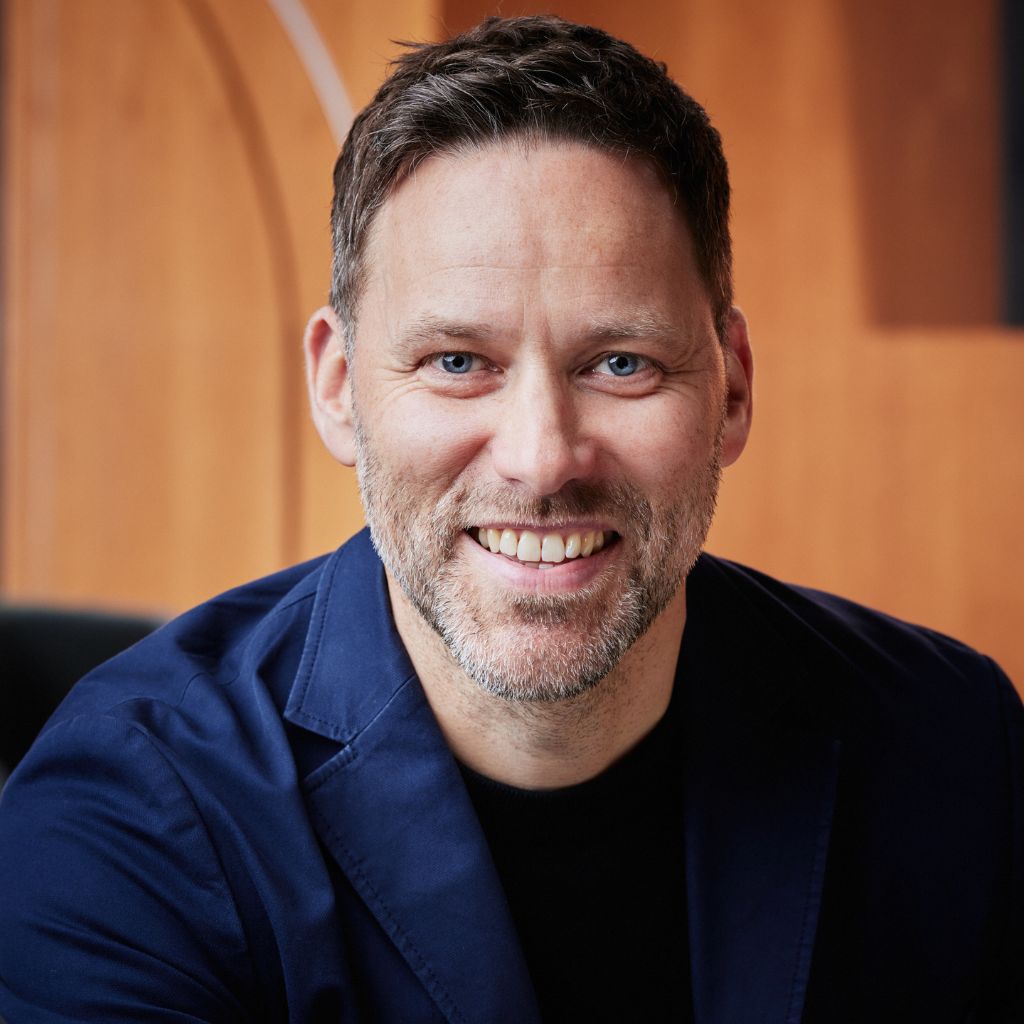
Panellist – A Global Perspective on Trust Dr Jaakko Kuosmanen
Academy Secretary, Finnish Academy of Science and Letters

Dr. Jaakko Kuosmanen is the Academy Secretary of the Finnish Academy of Science and Letters. His work focuses on building governmental and societal science-for-policy, STI, and foresight capabilities. Jaakko has previously been the Chief Coordinator of Sofi – a national science advice development initiative which led to the establishment of a new science-for-policy platform in Finland. Jaakko holds a PhD in Politics From the University of Edinburgh, and he has worked as a research fellow and lecturer at the Martin School and Blavatnik School of Government at the University of Oxford. He has advised prime minister’s offices on science-for-policy topics on four different continents, and he is a long-time member of the National Foresight Steering Group at the Prime Minister’s Office in Finland. Jaakko also holds an Adjunct Professor position at the University of Helsinki.

Dr Jaakko Kuosmanen
image description
image description
Panellist – A Global Perspective on Trust

Dr Jaakko Kuosmanen

Academy Secretary, Finnish Academy of Science and Letters
Dr. Jaakko Kuosmanen is the Academy Secretary of the Finnish Academy of Science and Letters. His work focuses on building governmental and societal science-for-policy, STI, and foresight capabilities. Jaakko has previously been the Chief Coordinator of Sofi – a national science advice development initiative which led to the establishment of a new science-for-policy platform in Finland. Jaakko holds a PhD in Politics From the University of Edinburgh, and he has worked as a research fellow and lecturer at the Martin School and Blavatnik School of Government at the University of Oxford. He has advised prime minister’s offices on science-for-policy topics on four different continents, and he is a long-time member of the National Foresight Steering Group at the Prime Minister’s Office in Finland. Jaakko also holds an Adjunct Professor position at the University of Helsinki.
Panellist – Is Evidence Facing a Trust Crisis? James Plunkett
Convener, Kinship Works

James has worked in and around government for nearly 20 years, from Downing Street to leadership roles at the Resolution Foundation, Citizens Advice, and Nesta. He brings experience in organisational transformation and contemporary governance. He is the conveener of Kinship Works, a collective that helps organisations and systems break out of the sticky and often inhuman patterns of bureaucracy to build something more organic. They centre the human stuff, from relationships, to places, to the infrastructure and rituals of a thriving civic life. He is also the author of End State and is currently working on his next book.

James Plunkett
image description
image description
Panellist – Is Evidence Facing a Trust Crisis?

James Plunkett

Convener, Kinship Works
James has worked in and around government for nearly 20 years, from Downing Street to leadership roles at the Resolution Foundation, Citizens Advice, and Nesta. He brings experience in organisational transformation and contemporary governance. He is the conveener of Kinship Works, a collective that helps organisations and systems break out of the sticky and often inhuman patterns of bureaucracy to build something more organic. They centre the human stuff, from relationships, to places, to the infrastructure and rituals of a thriving civic life. He is also the author of End State and is currently working on his next book.
Panellist – A Global Perspective on Trust Professor David Budtz Pedersen
Professor of Science Communication & Impact Studies Aalborg University

David Budtz Pedersen is Professor of Science Communication and Impact Studies at Aalborg University (Denmark) and founding Member of the International Network of Governmental Science Advice European Chapter (INGSA-E). His research focuses on the management, communication and impact of science and technology. He is a regular adviser to the European Commission, the Danish Ministry of Science, and a Member of the Norwegian Research Council. He takes a special interest in open, responsible and collaborative research focused on creating positive impact in society. David is Director of FRONTIER Center for Advanced SSH. He holds degrees from University of Copenhagen and visiting fellowships at University of Vienna, New York University and Kyoto University.

Professor David Budtz Pedersen
image description
image description
Panellist – A Global Perspective on Trust

Professor David Budtz Pedersen

Professor of Science Communication & Impact Studies Aalborg University
David Budtz Pedersen is Professor of Science Communication and Impact Studies at Aalborg University (Denmark) and founding Member of the International Network of Governmental Science Advice European Chapter (INGSA-E). His research focuses on the management, communication and impact of science and technology. He is a regular adviser to the European Commission, the Danish Ministry of Science, and a Member of the Norwegian Research Council. He takes a special interest in open, responsible and collaborative research focused on creating positive impact in society. David is Director of FRONTIER Center for Advanced SSH. He holds degrees from University of Copenhagen and visiting fellowships at University of Vienna, New York University and Kyoto University.
Panellist – A Global Perspective on Trust Professor Karen Salt
Professor of Culture, Place and Communities, Manchester Metropolitan University

Professor Karen Salt specializes in governance, complex systems and social justice. She is currently Professor of Culture, Place and Communities at Manchester Metropolitan University where she works across the sector to design and embed equitable community/university partnerships. As a sector leader and social scientist, Salt has led large research teams, advised complex interdisciplinary research projects and provided support to universities and organisations interested in institutional change. She spent 5 years in UK Research and Innovation, working closely with the UKRI Board, Executive Chairs, UK ministers and sector leaders – all while strategically managing teams across several critical policy areas, including trusted research and secure innovation. She continues to provide sector leadership as a key advisor focused on transforming the structures that impact marginalised and underserved communities and co-creating more just public services and organisations. Salt is a Trustee of the Williamson Trust, a charity that promotes the health of individuals, through supporting community-led research into healthy environments, healthy communities and healthy foods and sits on the Board of Directors for Brixton House Theatre, a cultural venue in South London with a commitment to empower undervalued and excluded communities through its creative and cultural spaces. For more than 30 years, she has worked closely with executive leaders across government, creative industries, academia and the third sector as a leading voice for change.

Professor Karen Salt
image description
image description
Panellist – A Global Perspective on Trust

Professor Karen Salt

Professor of Culture, Place and Communities, Manchester Metropolitan University
Professor Karen Salt specializes in governance, complex systems and social justice. She is currently Professor of Culture, Place and Communities at Manchester Metropolitan University where she works across the sector to design and embed equitable community/university partnerships. As a sector leader and social scientist, Salt has led large research teams, advised complex interdisciplinary research projects and provided support to universities and organisations interested in institutional change. She spent 5 years in UK Research and Innovation, working closely with the UKRI Board, Executive Chairs, UK ministers and sector leaders – all while strategically managing teams across several critical policy areas, including trusted research and secure innovation. She continues to provide sector leadership as a key advisor focused on transforming the structures that impact marginalised and underserved communities and co-creating more just public services and organisations. Salt is a Trustee of the Williamson Trust, a charity that promotes the health of individuals, through supporting community-led research into healthy environments, healthy communities and healthy foods and sits on the Board of Directors for Brixton House Theatre, a cultural venue in South London with a commitment to empower undervalued and excluded communities through its creative and cultural spaces. For more than 30 years, she has worked closely with executive leaders across government, creative industries, academia and the third sector as a leading voice for change.
Panellist – Is Evidence Facing a Trust Crisis? Professor Mike Kenny
Inaugural Head, Bennett School of Public Policy, Cambridge

Professor Michael Kenny is the Inaugural Head at the Bennett School of Public Policy in Cambridge. He is a visiting Fellow at the UCL Constitution Unit and a member of the advisory board of the Constitution Society. In 2021 he was made a Fellow of the UK’s Academy of the Social Sciences. As well as being a Professor of Public Policy at Cambridge, he is a Professorial Fellow at Fitzwilliam College. His research interests include public policy; governance and devolution; territorial politics; British politics and political ideas. He is currently writing The world island: how Britain’s relationship with the seas has shaped its politics and government, with Nick Pearce, which will examine the policy and ideological implications of shifting conceptions of the UK as a maritime state.

Professor Mike Kenny
image description
image description
Panellist – Is Evidence Facing a Trust Crisis?

Professor Mike Kenny

Inaugural Head, Bennett School of Public Policy, Cambridge
Professor Michael Kenny is the Inaugural Head at the Bennett School of Public Policy in Cambridge. He is a visiting Fellow at the UCL Constitution Unit and a member of the advisory board of the Constitution Society. In 2021 he was made a Fellow of the UK’s Academy of the Social Sciences. As well as being a Professor of Public Policy at Cambridge, he is a Professorial Fellow at Fitzwilliam College. His research interests include public policy; governance and devolution; territorial politics; British politics and political ideas. He is currently writing The world island: how Britain’s relationship with the seas has shaped its politics and government, with Nick Pearce, which will examine the policy and ideological implications of shifting conceptions of the UK as a maritime state.
Panellist – A Global Perspective on Trust Sam Freedman
Senior Fellow, Institute for Government

Sam Freedman is a senior fellow at the Institute for Government and writes regularly on politics and policy for the Observer the FT and others. Sam’s Substack newsletter ‘Comment is Freed’ is the most popular in the UK and has over 85,000 subscribers. His first book “Failed State: Why Nothing Works and How to Fix It” was released in July, made the Sunday Times bestseller list and was named an Economist, FT and Daily Telegraph book of the year. Sam is also a senior adviser to the education charity Ark; Vice-Chair of Ambition Institute; and a trustee of the Holocaust Educational Trust.

Sam Freedman
image description
image description
Panellist – A Global Perspective on Trust

Sam Freedman

Senior Fellow, Institute for Government
Sam Freedman is a senior fellow at the Institute for Government and writes regularly on politics and policy for the Observer the FT and others. Sam’s Substack newsletter ‘Comment is Freed’ is the most popular in the UK and has over 85,000 subscribers. His first book “Failed State: Why Nothing Works and How to Fix It” was released in July, made the Sunday Times bestseller list and was named an Economist, FT and Daily Telegraph book of the year. Sam is also a senior adviser to the education charity Ark; Vice-Chair of Ambition Institute; and a trustee of the Holocaust Educational Trust.
Panellist – A Global Perspective on Trust Susie Kitchens
Director of Science Diplomacy, International Institute for Applied Systems Analysis (IIASA)

Susie is a British diplomat focussed on research and innovation. Building on her Foreign Office postings as Deputy High Commissioner in Nairobi and as Consul General in Boston, Susie led the Global R+I team in the Department for Science, Innovation & Technology. Susie is now the first Director of Science Diplomacy at the International Institute for Applied Systems Analysis (IIASA) in Vienna. IIASA is a research institution that advances systems analysis and applies its models to identify sustainable policy solutions. This followed a secondment from government to Imperial College London, where she supported strategic engagement in international science policy. Susie is an international board member of UKCEH, a policy fellow at Cambridge IfM’s Babbage Forum, and a continuing fellow at CSAP.

Susie Kitchens
image description
image description
Panellist – A Global Perspective on Trust

Susie Kitchens

Director of Science Diplomacy, International Institute for Applied Systems Analysis (IIASA)
Susie is a British diplomat focussed on research and innovation. Building on her Foreign Office postings as Deputy High Commissioner in Nairobi and as Consul General in Boston, Susie led the Global R+I team in the Department for Science, Innovation & Technology. Susie is now the first Director of Science Diplomacy at the International Institute for Applied Systems Analysis (IIASA) in Vienna. IIASA is a research institution that advances systems analysis and applies its models to identify sustainable policy solutions. This followed a secondment from government to Imperial College London, where she supported strategic engagement in international science policy. Susie is an international board member of UKCEH, a policy fellow at Cambridge IfM’s Babbage Forum, and a continuing fellow at CSAP.
Chair – Is Evidence Facing a Trust Crisis? Tracey Brown OBE
Director, Sense About Science

Tracey Brown OBE has been the Director of Sense about Science since 2002. Under her leadership, the charity has turned the case for sound science and evidence into popular campaigns to urge scientific thinking among the public and the people who answer to them. It has launched important initiatives to expand and protect honest discussions of evidence, including AllTrials, a global campaign for the reporting of all clinical trial outcomes; and the Ask for Evidence campaign, which engages the public in requesting evidence for claims. It has challenged opinions and changed the behaviour of governments, media and corporations in the use of scientific evidence. Tracey leads Sense about Science’s work on the transparency of evidence used by governments in policy, to ensure that the public has access to the same evidence and reasoning as decision makers. This has included drafting the Principles for the Treatment of Independent Scientific Advice, which were adopted into the UK Ministerial Code in 2010, the creation of a public interest defence to libel in the Defamation Act 2013 and the Evidence Transparency Framework, used to audit UK government in 2016 and 2017 and adopted by government audit agencies around the world. In 2010, the Times named Tracey as one of the ten most influential figures in science policy in Britain and in 2014 she was recognised by the Science Council for her work on evidence-based policy making. In June 2017 Tracey was made an OBE, for services to science. Tracey has written and edited popular public guides to scientific research and led research on reliability of evidence, including the 2009 Peer Review Survey, the largest global survey of authors, reviewers and editors. Among her recent periodical publications: Goldacre B, Brown T. Fixing flaws in science must be professionalised. J Clin Epidemiol. July 10 2015; and Cossu et al, Lancet Commission: Stem Cells and Regenerative Medicine, forthcoming. Tracey is an honorary Professor at UCL in the Department of Science, Technology and Engineering in Public Policy.

Tracey Brown OBE
image description
image description
Chair – Is Evidence Facing a Trust Crisis?

Tracey Brown OBE

Director, Sense About Science
Tracey Brown OBE has been the Director of Sense about Science since 2002. Under her leadership, the charity has turned the case for sound science and evidence into popular campaigns to urge scientific thinking among the public and the people who answer to them. It has launched important initiatives to expand and protect honest discussions of evidence, including AllTrials, a global campaign for the reporting of all clinical trial outcomes; and the Ask for Evidence campaign, which engages the public in requesting evidence for claims. It has challenged opinions and changed the behaviour of governments, media and corporations in the use of scientific evidence. Tracey leads Sense about Science’s work on the transparency of evidence used by governments in policy, to ensure that the public has access to the same evidence and reasoning as decision makers. This has included drafting the Principles for the Treatment of Independent Scientific Advice, which were adopted into the UK Ministerial Code in 2010, the creation of a public interest defence to libel in the Defamation Act 2013 and the Evidence Transparency Framework, used to audit UK government in 2016 and 2017 and adopted by government audit agencies around the world. In 2010, the Times named Tracey as one of the ten most influential figures in science policy in Britain and in 2014 she was recognised by the Science Council for her work on evidence-based policy making. In June 2017 Tracey was made an OBE, for services to science. Tracey has written and edited popular public guides to scientific research and led research on reliability of evidence, including the 2009 Peer Review Survey, the largest global survey of authors, reviewers and editors. Among her recent periodical publications: Goldacre B, Brown T. Fixing flaws in science must be professionalised. J Clin Epidemiol. July 10 2015; and Cossu et al, Lancet Commission: Stem Cells and Regenerative Medicine, forthcoming. Tracey is an honorary Professor at UCL in the Department of Science, Technology and Engineering in Public Policy.

Programme

09:30

Doors open and registration

Jeffrey Hall
09:30 – 10:30
60 min
10:30

Opening address

Logan Hall
10:30 – 10:40
10 min
Professor Geraint Rees
UCL Vice-Provost (Research, Innovation & Global Engagement)

Professor Geraint Rees

UCL Vice-Provost (Research, Innovation & Global Engagement)

Keynote: A front row seat: lessons learned on building trust at the intersection of science, policy, and politics

Logan Hall
10:40 – 11:30
50 min
Head shot of Juliet Gerrard
Professor Dame Juliet Gerrard
Waipapa Taumata Rau University of Auckland
image description
Keynote speaker

Professor Dame Juliet Gerrard

Waipapa Taumata Rau University of Auckland

Dame Juliet Gerrard trained at Oxford and moved to New Zealand in 1993. Her research career has been broad and interdisciplinary, originally centred on protein science.

She is currently a professor at the University of Auckland (based across the Faculties of Science and Engineering) and enjoys a variety of governance and advisory roles. From 2018-2024 Juliet served as the Prime Minister’s Chief Science Advisor.

Comfort break

Logan Hall
11:30 – 11:40
10 min

A Global Perspective on Trust

Logan Hall
11:40 – 12:30
50 min
Headshot of David Phipps
Dr David Phipps
Assistant VP Research Strategy & Impact York University, Network Director Research Impact Canada
image description
Panellist – A Global Perspective on Trust

Dr David Phipps

Assistant VP Research Strategy & Impact York University, Network Director Research Impact Canada
Headshot of David Budtz Pedersen
Professor David Budtz Pedersen
Professor of Science Communication & Impact Studies Aalborg University
image description
Panellist – A Global Perspective on Trust

Professor David Budtz Pedersen

Professor of Science Communication & Impact Studies Aalborg University
Susie Kitchens
Director of Science Diplomacy, International Institute for Applied Systems Analysis (IIASA)
image description
Panellist – A Global Perspective on Trust

Susie Kitchens

Director of Science Diplomacy, International Institute for Applied Systems Analysis (IIASA)
Headshot of Jaakko Kuosmanen
Dr Jaakko Kuosmanen
Academy Secretary, Finnish Academy of Science and Letters
image description
Panellist – A Global Perspective on Trust

Dr Jaakko Kuosmanen

Academy Secretary, Finnish Academy of Science and Letters
Headshot of Anastasia Deligkiarouri
Dr Anastasia Deligkiaouri
Policy Analyst, Joint Research Centre, European Commission
image description
Panellist – A Global Perspective on Trust

Dr Anastasia Deligkiaouri

Policy Analyst, Joint Research Centre, European Commission
Head shot of Juliet Gerrard
Professor Dame Juliet Gerrard
Waipapa Taumata Rau University of Auckland
image description
Keynote speaker

Professor Dame Juliet Gerrard

Waipapa Taumata Rau University of Auckland

Dame Juliet Gerrard trained at Oxford and moved to New Zealand in 1993. Her research career has been broad and interdisciplinary, originally centred on protein science.

She is currently a professor at the University of Auckland (based across the Faculties of Science and Engineering) and enjoys a variety of governance and advisory roles. From 2018-2024 Juliet served as the Prime Minister’s Chief Science Advisor.

12:30

Lunch and networking

Jeffrey Hall
12:30 – 14:00
90 min

Visit our Exhibitors in Jeffrey Hall

UPEN Knowledge Mobilisation Community of Practice Drop In

Elvin Hall (off Jeffrey Hall)
12:30 – 13:45
75 min
14:00

Parallel session 1: Locally Grounded, Nationally Relevant: Building Trust in Place-Based Knowledge at two UK Government Campuses

TBC
14:00 – 15:15
75 min

Drawing on engagements with the Darlington Economic Campus and Sheffield Policy Campus, this session shares practical insights into building collaborative environments across government departments, Mayoral Strategic Authorities, Local government and regional universities.

Headshot of Neil Heckels
Neil Heckels
Programmes Co-Lead (People), Professional Development Sub-Committee Co-Chair
image description

Neil Heckels

Programmes Co-Lead (People), Professional Development Sub-Committee Co-Chair
Claire McDonald
Durham University and Darlington Economic Campus

Claire McDonald

Durham University and Darlington Economic Campus
Silkie Whitworth
Ministry for Housing Communities and Local Government and Darlington Economic Campus

Silkie Whitworth

Ministry for Housing Communities and Local Government and Darlington Economic Campus
Alex Clegg
Sheffield Policy Campus

Alex Clegg

Sheffield Policy Campus
Honey Butterworth
HMRC

Honey Butterworth

HMRC

Parallel session 2: Whose trust? Whose evidence? Creative and co-produced approaches to centering marginalised communities in the research-policy interface

TBC
14:00 – 15:15
75 min

This session led by the University of Hull Policy Hub, partnering with the University of Lincoln, Teesside University and the Institute for Community Studies, explores the role of the civic university in building trust between communities, practitioners, policymakers, and researchers.

Dr Nick Mithen
University of Hull

Dr Nick Mithen

University of Hull
Dr Mark Bennister
Independent Consultant

Dr Mark Bennister

Independent Consultant

Parallel session 3: Navigating Evidence in a Geopolitical & Security Focused Landscape

TBC
14:00 – 15:15
75 min

What happens to evidence-informed policymaking when research becomes securitised and geopolitics drives distrust in academic expertise? Join this interactive Futures Forum workshop to explore a provocative future scenario where evidence is politicised, restricted and dismissed.

Rhiannon Van Vliet
UCL

Rhiannon Van Vliet

UCL

Parallel session 4: In Evidence We Trust? What Anyone Actually Believes About Impact Data

TBC
14:00 – 15:15
75 min

We measure impact, report it, and cite it in funding bids – but does anyone actually trust the data? And if evidence alone doesn’t change policy, what does? Come ready to question your assumptions – and to share what you’ve learned the hard way.

Mark Mann
Divine Ox Ltd

Mark Mann

Divine Ox Ltd
Philippa Christoforou
Oxford University Innovation

Philippa Christoforou

Oxford University Innovation
15:15

Refreshments and networking

Jeffrey Hall
15:15 – 15:45
30 min
15:45

Parallel session 5: (Dis)Trust in the Art of Story and Storytelling

TBC
15:45 – 17:00
75 min

In fast-moving situations, the scarce resource is not information but trusted connection – the ability to keep evidence and lived reality linked to decision-making as conditions change. This session treats story not as persuasion, but as a learnable skill set for maintaining trusted feedback loops.

Dr James Fenner
AHRC

Dr James Fenner

AHRC
Paul McWhirter
AHRC

Paul McWhirter

AHRC
Professor Bambo Soyinka
Bath Spa University

Professor Bambo Soyinka

Bath Spa University

Parallel session 6: The Evidence Pie: Creating a shared language on what counts as evidence to build trust, foster inclusion and support evidence informed decisions.

TBC
15:45 – 17:00
75 min

Introducing the Evidence Pie, a practical model that helps teams understand how to access and use six equally important types of evidence, from lived experience to academic research.

Zoe Lancelott
RCT HDRC, RCT County Borough Council

Zoe Lancelott

RCT HDRC, RCT County Borough Council
Dr Amy Lloyd
RCT HDRC and Wales Centre for Public Policy

Dr Amy Lloyd

RCT HDRC and Wales Centre for Public Policy
Rhianydd Davies
RCT HDRC

Rhianydd Davies

RCT HDRC
Ceri Parsons
RCT HDRC

Ceri Parsons

RCT HDRC
Dan Barlow
RCT HDRC

Dan Barlow

RCT HDRC
Greg Notman
RCT HDRC and Wales Centre for Public Policy

Greg Notman

RCT HDRC and Wales Centre for Public Policy
Shannon Lee
RCT HDRC

Shannon Lee

RCT HDRC
Oishee Kundu
RCT HDRC

Oishee Kundu

RCT HDRC

Parallel session 7: Trust begins with who is counted: Designing more inclusive evidence by integrating sex and gender

TBC
15:45 – 17:00
75 min

This session explores how sex and gender gaps affect trust in research and policy. Using a fast-paced “evidence speed dating” format, participants will work with peers to identify practical actions to build trust and more meaningful inclusion to embed in future research, policymaking, or knowledge mobilisation.

Marina Politis
The George Institute for Global Health, Imperial College London

Marina Politis

The George Institute for Global Health, Imperial College London
Alice Witt
The George Institute for Global Health, Imperial College London

Alice Witt

The George Institute for Global Health, Imperial College London

Parallel session 8: Exploring the challenges and mechanisms for trust building with place-based policy actors

TBC
15:45 – 17:00
75 min

What stops place-based academic policy engagement? What is proven to work? Join us to hear about our latest review on the challenges and mechanisms for doing this and to share your stories.

Headshot of Rich Pickford
Rich Pickford
Programmes Institutional Lead (NTU), Areas of Research Interest Sub-Committee Co-Chair
image description

Rich Pickford

Programmes Institutional Lead (NTU), Areas of Research Interest Sub-Committee Co-Chair
Headshot of Charlotte Hoole
Dr Charlotte Hoole
Programmes Research Fellow
image description

Dr Charlotte Hoole

Programmes Research Fellow
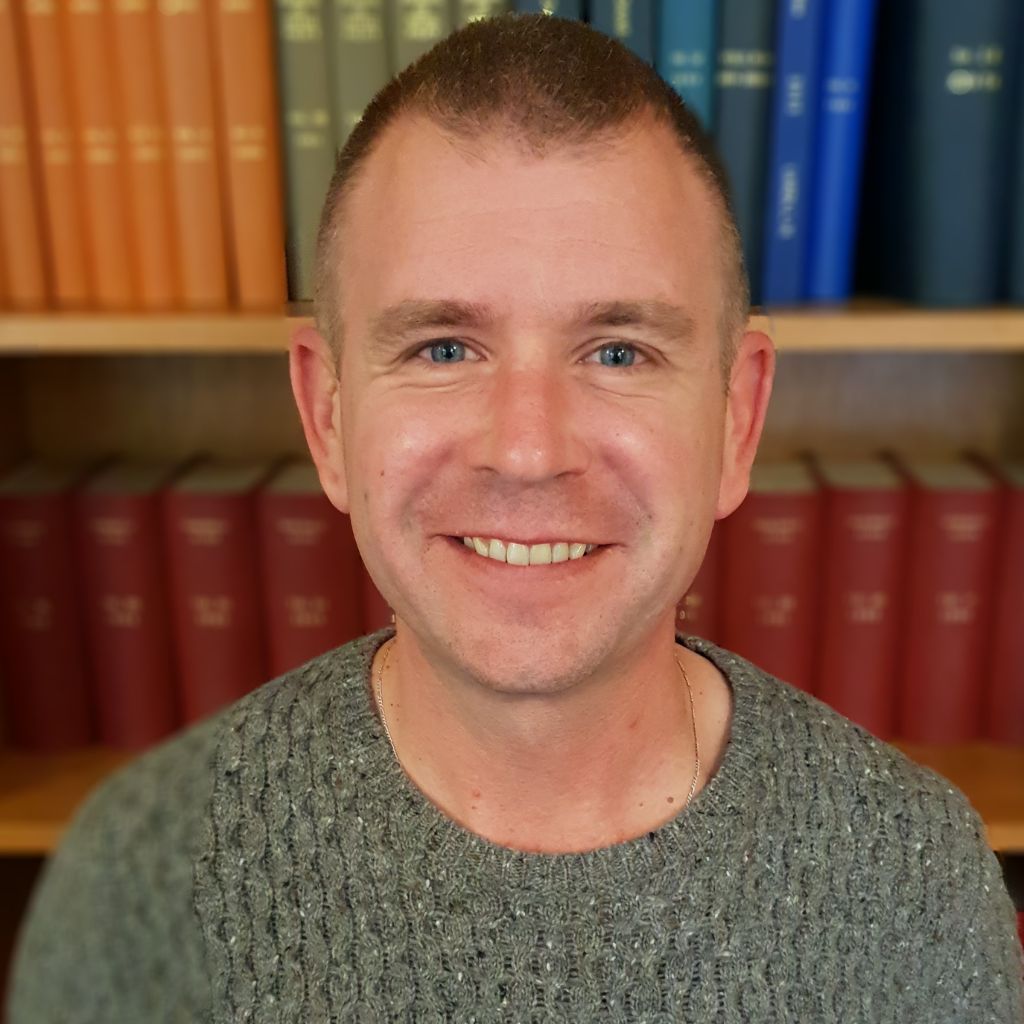
Dr Sara Hassan
Senior Researcher
image description

Dr Sara Hassan

Senior Researcher
17:00

Drinks and networking

TBC
17:00 – 19:00
120 min
09:15

Welcome refreshments

Jeffrey Hall
09:15 – 10:00
45 min

Registration for Day 2 only attendees

10:00

Keynote

Logan Hall
10:00 – 10:50
50 min
Headshot of Alan Smith
Alan Smith OBE
Head of Visual and Data Journalism, Financial Times
image description
Keynote speaker

Alan Smith OBE

Head of Visual and Data Journalism, Financial Times

Alan Smith leads the FT’s newsroom team of data reporters and visual journalists. A data visualisation specialist, his TEDx talk Why You Should Love Statistics was featured on TED.com in 2017. Alan is the author of How Charts Work, a handbook on designing with data using the FT’s principles. He is also Honorary Professor of Practice at UCL’s Social Data Institute.

Before he joined the FT, he was head of digital content at the UK Office for National Statistics where he was awarded an OBE in 2011 for services to official statistics.

10:50

Break and networking

Jeffrey Hall
10:50 – 11:25
35 min
11:25

Parallel session 9: How visualisation choices shape policy interpretation

TBC
11:25 – 12:40
75 min

The same data can support different policy conclusions depending on how it’s visualised. In this hands-on session, you’ll work with a dataset on research grant funding, respond to different policy questions, and create visualisations.

Xavier McNally
London School of Economics and Political Science

Xavier McNally

London School of Economics and Political Science
Christopher Daley
London School of Economics and Political Science

Christopher Daley

London School of Economics and Political Science

Parallel session 10: Can Citizens Be Trusted with Policy?

TBC
11:25 – 12:40
75 min

What happens to trust in evidence when citizens, rather than institutions, are asked to interpret it and to set priorities? This interactive workshop lets you experience key Citizens’ Assembly methods used in Citizens for Culture, the UK’s first Citizens’ Assembly to create a regional plan for culture.

David Jubb
Citizens in Power

David Jubb

Citizens in Power
LaToyah McAllister-Jones
Citizens for Culture

LaToyah McAllister-Jones

Citizens for Culture

Parallel session 11: Building trust between researchers & politicians, what works in practice

TBC
11:25 – 12:40
75 min

Politics moves fast. It runs on judgement, deadlines, and trusted contacts you can call when things shift. This session will help you move beyond one off briefings and towards shared problem solving, where trust makes evidence easier to hear, and easier to act on.

Denis Naughten
InnoSphere Consulting, former MP

Denis Naughten

InnoSphere Consulting, former MP

Parallel session 12: Engagement and trust building during a period of political uncertainty and volatility

TBC
11:25 – 12:40
75 min

You’ve spent years developing relationships and gaining the trust of policy-makers, only for the political landscape to shift. Cymru Wledig LPIP Rural Wales and Senedd Cymru present a Welsh case study showing different approaches in uncertain circumstances.

Rhian Curtis
Cymru Wledig LPIP Rural Wales & Aberystwyth University

Rhian Curtis

Cymru Wledig LPIP Rural Wales & Aberystwyth University
Dr Sarah Morse
Senedd Cymru

Dr Sarah Morse

Senedd Cymru
12:40

Lunch and networking

Jeffrey Hall
12:40 – 14:00
80 min
14:00

Parallel session 13: Translating misinformation evidence for policy use

TBC
14:00 – 15:15
75 min

How can policymakers build trust when false or misleading content spreads fast? Join to hear how to translate the latest evidence on misinformation into simple tools you can use right away. This session supports GO Science’s emerging “Year of Trustworthy Information” programme.

Nina Grassman
Government Office for Science

Nina Grassman

Government Office for Science
Kitty Saunders
Behavioural Research UK

Kitty Saunders

Behavioural Research UK

Parallel session 14: Co-producing academic-policy engagement: Developing a College of Experts and Priority Research Questions for a Centre for Evidence

TBC
14:00 – 15:15
75 min

Join a government researcher and an academic government advisor as they share the journey of co-producing a College of Experts and Priority Research Questions (PRQs). A roadmap for moving beyond transactional asks to embed the long-term, relational co-production practices necessary to enable trust in evidence.

Florence Reedy
Cabinet Office

Florence Reedy

Cabinet Office
Dr Ian Elliott
University of Glasgow

Dr Ian Elliott

University of Glasgow

Parallel session 15: Creative Communities: Devolution, Innovation and the Quadruple Helix

TBC
14:00 – 15:15
75 min

Can devolution supercharge innovation — and can locally generated evidence genuinely shape national policy? This session will profile learning from Creative Communities Policy Labs in Belfast, Cardiff, Edinburgh and Mayoral Authorities across England, alongside the Co-Lab Policy Network Awards.

Professor Katy Shaw
Northumbria University & AHRC

Professor Katy Shaw

Northumbria University & AHRC
Lauren Mitchell Baker
Northumbria University

Lauren Mitchell Baker

Northumbria University

Parallel session 16: Participatory policy practice as a vehicle for rebuilding trust

TBC
14:00 – 15:15
75 min

Trust in politics is at a breaking point, but communities are already showing what’s possible. This session explores how participatory policy practice can rebuild trust by placing lived experience, local knowledge and community voice at the heart of evidence-based policymaking.

Emily Morrison
The Young Foundation

Emily Morrison

The Young Foundation
Headshot of Tania Carregha
Tania Carregha
Senior Research Manager (The Young Foundation)
image description

Tania Carregha

Senior Research Manager (The Young Foundation)
Jacob Colburn
The Young Foundation

Jacob Colburn

The Young Foundation
Headshot of Leonie Taylor
Leonie Taylor
Senior Researcher (The Young Foundation)
image description

Leonie Taylor

Senior Researcher (The Young Foundation)
15:15

Comfort break

Jeffrey Hall
15:15 – 15:35
20 min
15:35

Question Time: Is Evidence Facing a Trust Crisis?

Logan Hall
15:35 – 16:55
80 min
Headshot of Hannah Russell
Hannah Russell
Chief Executive, British Science Association
image description
Panellist – Is Evidence Facing a Trust Crisis?

Hannah Russell

Chief Executive, British Science Association
Headshot of Sam Freedman
Sam Freedman
Senior Fellow, Institute for Government
image description
Panellist – A Global Perspective on Trust

Sam Freedman

Senior Fellow, Institute for Government
Headshot of Mike Kenny
Professor Mike Kenny
Inaugural Head, Bennett School of Public Policy, Cambridge
image description
Panellist – Is Evidence Facing a Trust Crisis?

Professor Mike Kenny

Inaugural Head, Bennett School of Public Policy, Cambridge
Headshot of James Plunkett
James Plunkett
Convener, Kinship Works
image description
Panellist – Is Evidence Facing a Trust Crisis?

James Plunkett

Convener, Kinship Works
Headshot of Tracey Brown
Tracey Brown OBE
Director, Sense About Science
image description
Chair – Is Evidence Facing a Trust Crisis?

Tracey Brown OBE

Director, Sense About Science
Headshot of Karen Salt
Professor Karen Salt
Professor of Culture, Place and Communities, Manchester Metropolitan University
image description
Panellist – A Global Perspective on Trust

Professor Karen Salt

Professor of Culture, Place and Communities, Manchester Metropolitan University

Closing remarks

Logan Hall
16:55 – 17:00
5 min

Where to find us

UCL Institute of Education,
20 Bedford Way,
London WC1H 0AL
View on Google Maps

View map level:

full screen
Institute of education to UCL Japanese Garden journey:

Our Exhibitors

FAQs

The 2026 conference, titled “In Evidence We Trust”, explores how trust in research evidence is built, maintained, and applied within policymaking.

It brings together academics, policymakers, and knowledge mobilisers to tackle challenges such as misinformation and contested evidence.

29-30 June at the Institute of Education, UCL.

Anyone! We hope our conference will be of interest to a wide range of people whose work involves supporting or undertaking engagement between academia and policy including;

  • Professional services staff at universities
  • Those in the policy community; policymakers, analysts, researchers
  • Academics
  • Professionals working in third space and charity sectors
  • Professionals working in think tanks or IROs

We would love to be joined by more policy colleagues this year and we extend a warm invite to them especially.

You do not have to be working in a UPEN member institution to attend our conference.

If you need financial support in order to attend the conference, please email us. Please note the deadline is 14 May. Please get in touch as soon as you can.

All attendees will be asked to choose their parallel session preferences a few weeks before the conference. Please note that sessions will have capped numbers and we may postpone sessions that do not meet minimum numbers.

We’re delighted to have increased our capacity for this year’s event. This means we can welcome even more people who are passionate about academic-policy engagement like you!

All UPEN Member Institutions are guaranteed a set number of places at Conference and Institutional Leads have already been asked to submit nominations for these places.

For all other delegates we’re asking for expressions of interest for a place to ensure we get a fantastic mix of attendees. This also helps us manage our numbers.

Give us your details and tell us why you want to attend: UPEN Conference: Express Interest for a ticket – Fill in form

We’ll be reviewing expressions of interest regularly and releasing tickets in batches.

The venue has a prayer room on floor 7, room 794.

We have a dedicated quiet room if you want to take a break, room number TBC.

We know that conferences can be tiring and that people may have different access, sensory, or neurodiversity-related needs. Please feel free to take breaks throughout the two days or step out of sessions whenever you need to.

If you need anything at any point during the conference please ask a member of UPEN staff wearing an orange UPEN lanyard and they’ll be able to assist you.

Apply for a place